Al-Andalus Gateway
Main arrival cities
Major airports and rail hubs where most journeys begin: Madrid, Málaga, Seville and Barcelona. Good starting points for connecting into the core route.
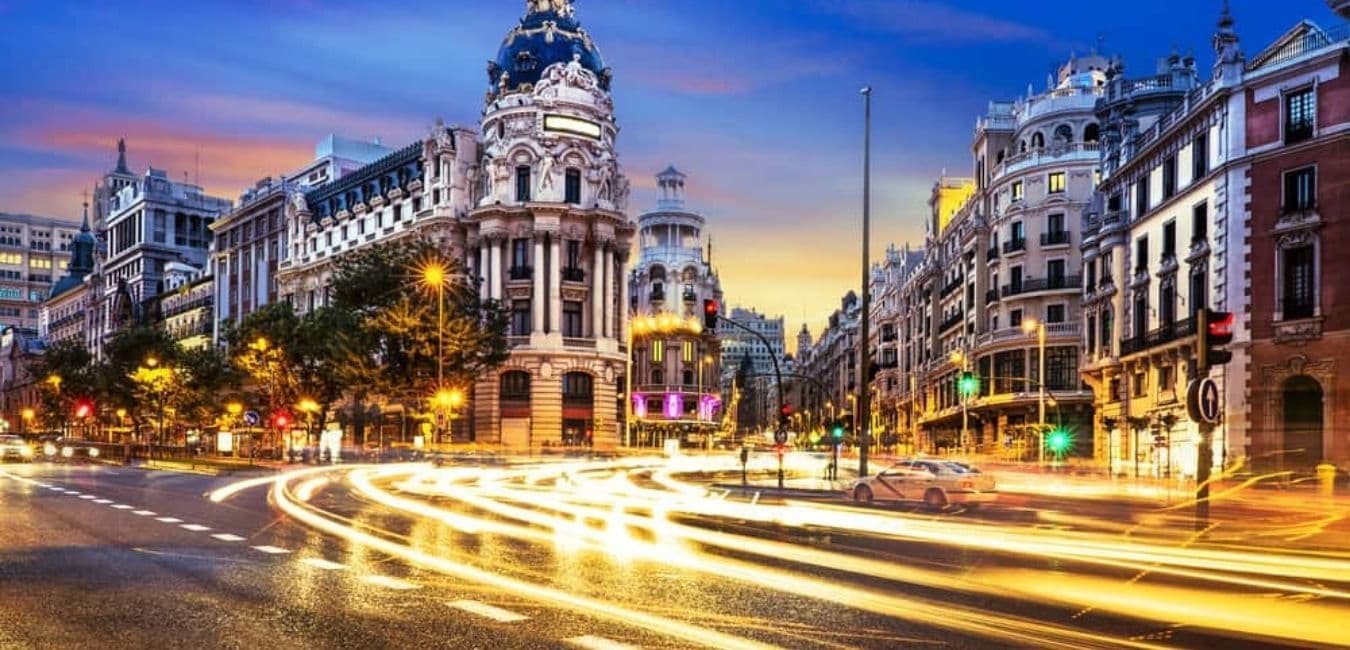
Madrid
City of Madrid · 3.5M residents · 11.2M visitors in 2024
Madrid, the capital of Spain — a city to explore at your own pace, with grand museums, lively plazas, and a cultural rhythm that blends tradition with the contemporary. From Madrid, the route leads south through Toledo, Córdoba, Seville, and Granada.

Málaga
Costa del Sol · Ciudad de Museos
Málaga, capital of the Costa del Sol, was an important port city and a key location for many civilizations — remains date back to the Phoenicians and Romans. During the Muslim period, Málaga was a bastion for the emirs and caliphs of Al-Andalus, from the Umayyads to the Nasrid dynasties, witness to the last centuries of Muslim rule in Iberia.
Sevilla
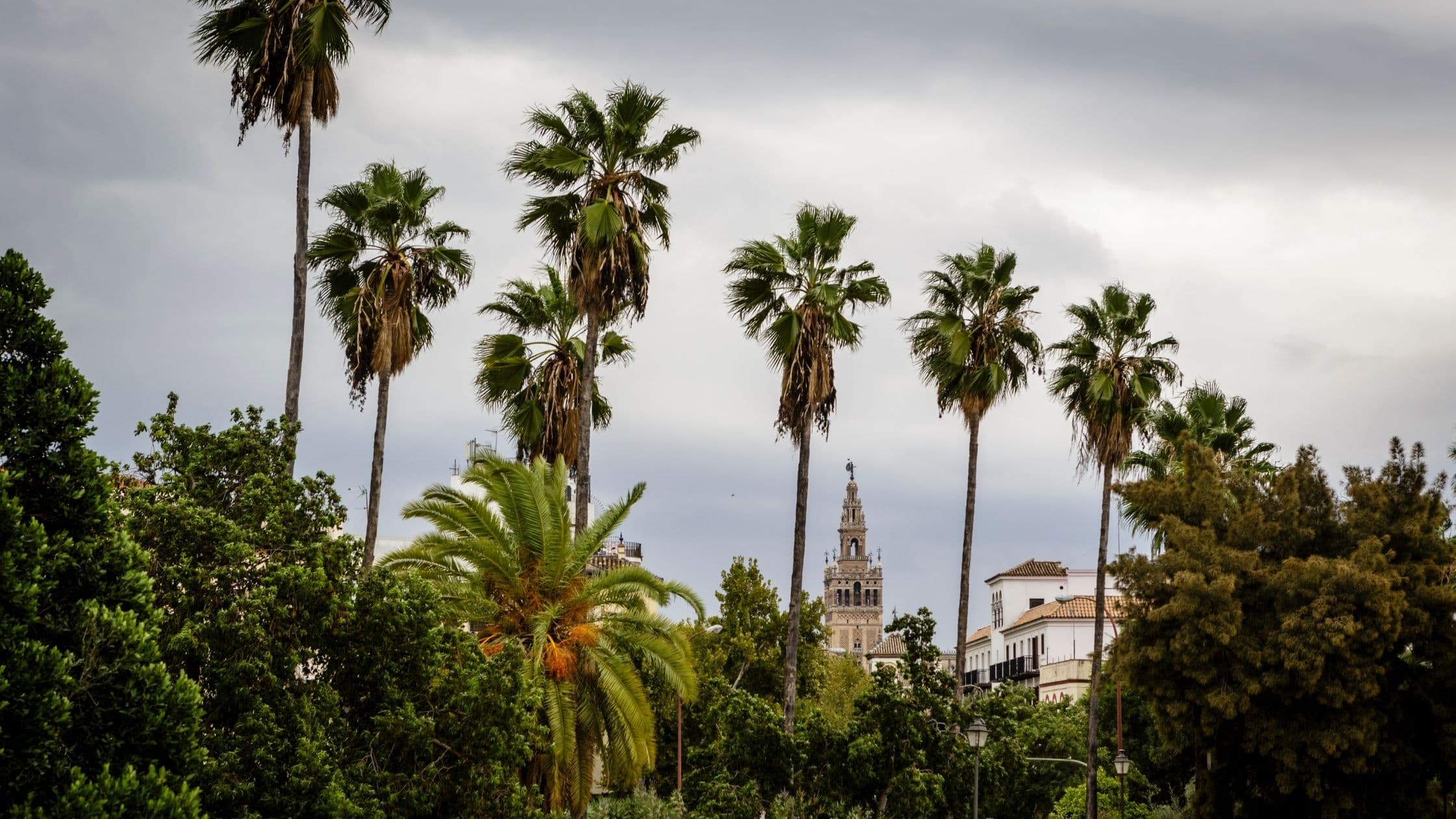
Capital de Al-Ándalus · Puerta de América
Sevilla, the capital of Andalusia today, is one of the key historical points on the Andalusian landscape. Once a rival kingdom to the Umayyads under the Almohad dynasty, today it is a city shaped by the fusion of cultures — from its Alcázar and Giralda to the winding streets of Santa Cruz and Triana.

Barcelona
Capital de Cataluña · Modernismo · Mediterráneo
Barcelona is one of the largest and most cosmopolitan cities in Spain, enjoying a Mediterranean climate of fusion that blends Spanish tradition and style with a vibrant, modern expression. The northernmost reach of Al-Andalus, Barcelona carries layers of Roman, Gothic, and Islamic heritage beneath its modernist surface.
Al-Andalus Gateway
The Castilian approach
Begin in Madrid and Toledo, then follow the historical road south toward Córdoba and Granada, entering Al-Andalus through its Iberian preludes.
Madrid
City of Madrid · 3.5M residents · 11.2M visitors in 2024
Madrid, the capital of Spain — a city to explore at your own pace, with grand museums, lively plazas, and a cultural rhythm that blends tradition with the contemporary. From Madrid, the route leads south through Toledo, Córdoba, Seville, and Granada.
Toledo
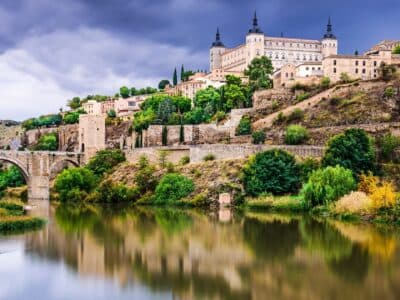
Patrimonio de la Humanidad · Ciudad Imperial
Toledo es la memoria de España. Ciudad imperial, capital visigoda, crisol de culturas. Sus calles medievales guardan el legado de una convivencia que forjó la identidad del país. Ciudad de El Greco y de espadas.
Al-Andalus Gateway
The heart of the route
Córdoba and Granada: the two cities that most travellers mean when they say Al-Andalus. The mosque-cathedral, the Alhambra, and the lived texture between them.

Córdoba
Capital del Califato · 4x Patrimonio UNESCO
A town once the very capital of Al-Andalus. Córdoba reveals the unique history and fusion of different cultures found here — from its Roman bridge and Umayyad mosque to its winding medina streets and whitewashed courtyards.
Granada
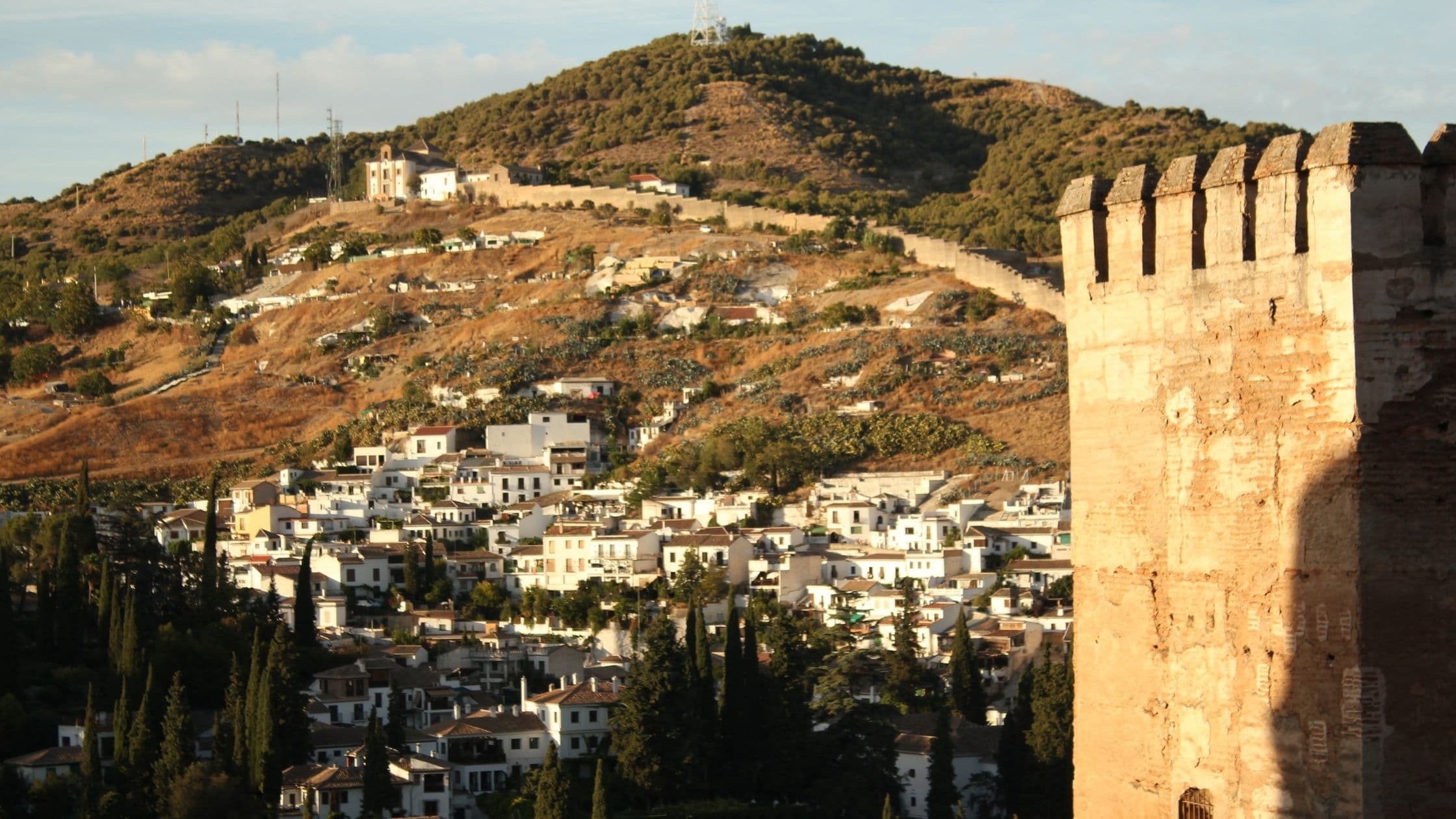
Patrimonio UNESCO · Último Reino Nazarí
Granada, the last Muslim kingdom of Al-Andalus, rival for 250 years to the Christian kingdoms after their conquest of Córdoba and Seville. In Granada you find the utmost expression of Andalusi fusion — a city where the spirit of Al-Andalus still breathes through the Alhambra, the Albaicín, and the Sierra Nevada.
Al-Andalus Gateway
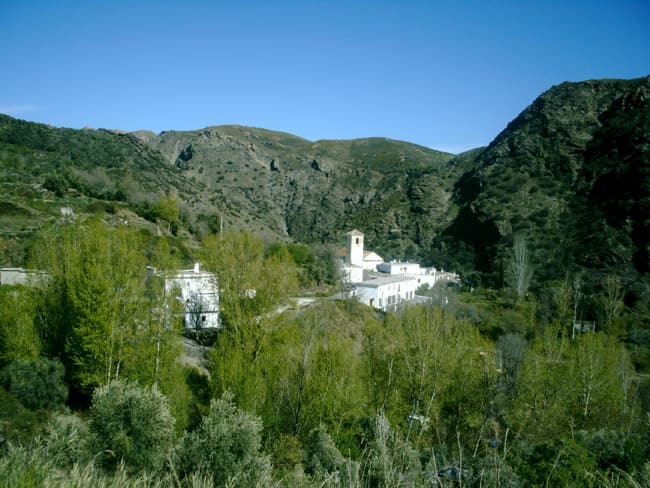
Alpujarra Discovery
The mountain and valley corridor between Granada and the coast: villages, acequias, orchards, local services, nature routes, slower stays, and community-rooted discovery.
Al-Andalus Gateway
Morocco
Cross the Strait and continue by rail, road, and medina rhythm from Tangier through the Rif, the imperial capitals, the Atlantic corridor, and Marrakech.

Tangier
Gateway to Africa · Strait of Gibraltar
Tangier has always been a crossroads — of continents, cultures, and centuries. From the Phoenicians to the Beat Generation, this port city has lured writers, artists, and wanderers with its luminous light, labyrinthine medina, and the constant whisper of two seas. Today it remains Morocco's most cosmopolitan gateway.
Chefchaouen
Blue Pearl · Rif Mountains · Andalusian Refuge
Chefchaouen is unlike any other city in Morocco. Every wall, every step, every alley is painted in shades of blue — from powder to cobalt to cerulean. Founded in 1471 by refugees from Al-Andalus, this mountain town has a peaceful energy that feels almost otherworldly. Wrapped in the misty Rif Mountains, Chaouen is a place to get lost in colour and calm.

Fes
Spiritual Capital · Oldest Medina
Fes is Morocco's most complete medieval city — a living museum where donkeys still outnumber cars in the labyrinthine alleys of Fes el-Bali. Founded in 789, it is home to the world's oldest university, the most spectacular tanneries, and a spiritual depth that has shaped Moroccan identity for twelve centuries. Fes doesn't show you history — it immerses you in it.

Meknes
Imperial City · UNESCO · Ismaili Capital
Meknes is the forgotten imperial city — the Versailles of Morocco, built by Sultan Moulay Ismail with the ambition to rival the greatest courts of Europe. Its massive walls, monumental gates, and vast granaries speak of a ruler who built an empire from the Atlantic to Timbuktu. Quiet, dignified, and rich with history, Meknes rewards the traveller who takes the road less travelled.
Rabat
Capital of Morocco · UNESCO Heritage
Rabat is Morocco's capital and its most underrated gem. A UNESCO World Heritage city where wide boulevards meet ancient kasbahs, where the Atlantic breeze sweeps through tranquil gardens, and where the Hassan Tower stands as a monument to ambition. It's the quiet heart of the kingdom — elegant, walkable, and effortlessly cool.
Casablanca
Economic Capital · Hassan II Mosque
Casablanca is not the city of the film — it's something bigger. Morocco's economic capital is a sprawling metropolis of Art Deco architecture, the breathtaking Hassan II Mosque, and a restless energy that defines modern Africa. It's chaotic, cosmopolitan, and utterly captivating. A city that rewards those who dive in.
Marrakech
Red City · Imperial City · UNESCO
Marrakech is the most intoxicating city in North Africa — a swirling kaleidoscope of colour, sound, and scent. From the snake charmers and storytellers of Jemaa el-Fna at dusk to the serene beauty of the Majorelle Garden, from labyrinthine souks to the snow-capped Atlas Mountains on the horizon, Marrakech is a city that seizes every sense and never lets go.